
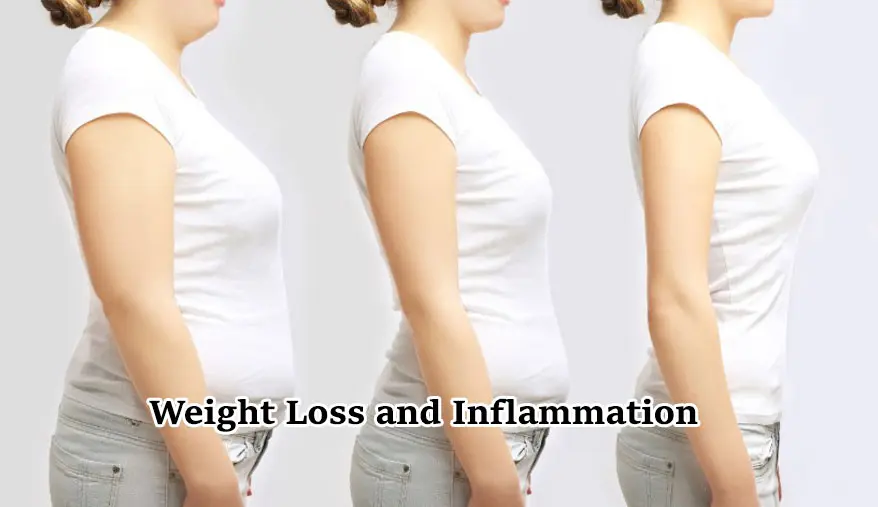
Many people in Ireland struggle with weight loss despite eating reasonably well and staying active. Calories are often blamed, but there is another factor that quietly interferes with fat loss — inflammation. Understanding weight loss and inflammation is essential because inflammation can prevent the body from releasing stored fat, even when diet and exercise appear to be in place.
Inflammation is not always visible or painful. In many cases, it exists at a low level inside the body and gradually disrupts metabolism, hormones, digestion, and energy balance. When inflammation becomes chronic, the body shifts into a protective state where fat loss slows down or stops altogether. This article explains the hidden link between inflammation and weight gain, why it affects so many adults in Ireland, and what can be done to reverse it naturally.
What Is Inflammation and Why Does It Matter for Weight Loss?
Inflammation is the body’s natural defence mechanism. It helps heal injuries and fight infections. Short-term inflammation is beneficial. The problem arises when inflammation becomes chronic.
Chronic inflammation keeps the body in a constant state of stress. This interferes with normal metabolic processes and plays a major role in fat storage, especially around the abdomen.
This is where the connection between weight loss and inflammation becomes clear.
How Weight Loss and Inflammation Are Connected
Inflammation directly affects how the body stores and releases fat.
When inflammation is present:
-
Fat cells become resistant to releasing energy
-
Insulin sensitivity decreases
-
Cortisol levels rise
-
Metabolism becomes less efficient
The body interprets inflammation as a threat and responds by conserving energy, often in the form of body fat.
Inflammation Turns Fat Into a Protective Shield
From a biological perspective, fat is stored to protect the body during times of stress or illness. Chronic inflammation sends a signal that the body is under constant threat. As a result, fat loss becomes a low priority.
This explains why many people experience stalled progress despite eating less or exercising more.
Common Causes of Chronic Inflammation in Ireland
Modern lifestyle patterns contribute significantly to inflammation.
Poor Sleep Quality
Late nights, screen exposure, and irregular sleep schedules are common. Poor sleep increases inflammatory markers and disrupts hormones linked to appetite and fat storage.
Highly Processed Foods
Although many people eat “normally,” regular consumption of processed foods, refined carbohydrates, and added sugars promotes inflammation.
Chronic Stress
Work pressure, financial concerns, and lack of downtime keep stress hormones elevated. Stress-driven inflammation is one of the biggest barriers to sustainable weight loss.
Gut Health, Inflammation, and Weight Gain
The gut plays a central role in inflammation.
An unhealthy gut microbiome can allow inflammatory compounds to enter the bloodstream, triggering systemic inflammation.
This affects:
-
Digestion
-
Insulin sensitivity
-
Fat metabolism
Poor gut health strengthens the link between weight loss and inflammation, making fat loss more difficult over time.
Weight Loss and Inflammation Through Hormonal Imbalance
Hormones regulate both inflammation and fat storage.
Insulin Resistance
Inflammation reduces insulin sensitivity, causing the body to store more fat and struggle to use carbohydrates efficiently.
Cortisol and Stress Fat
Chronic inflammation keeps cortisol levels elevated. High cortisol encourages fat storage, particularly around the waist.
Thyroid Function
Inflammation can interfere with thyroid hormone activity, slowing metabolism and reducing energy expenditure.
Why Inflammation Targets Belly Fat
Abdominal fat is more sensitive to inflammatory and stress signals than fat stored elsewhere.
This is why people often notice:
-
Stubborn belly fat
-
Weight gain around the waist
-
Difficulty losing abdominal fat
Even when overall body weight does not change significantly, inflammation can alter fat distribution.
Diet and Its Role in Reducing Weight Loss and Inflammation
Reducing inflammation does not require extreme dieting.
Focus on Whole, Anti-Inflammatory Foods
Foods that naturally reduce Weight Loss and Inflammation include:
-
Vegetables and leafy greens
-
Berries and fruits
-
Oily fish
-
Nuts and seeds
-
Olive oil
Traditional Irish diets based on whole foods tend to be far less inflammatory than modern ultra-processed diets.
Why Undereating Can Increase Inflammation
Chronic calorie restriction places the body under stress. This increases cortisol and inflammatory markers, slowing metabolism and blocking fat loss.
Balanced, consistent eating supports both hormonal health and inflammation control.
Exercise, Inflammation, and Weight Loss
Exercise plays a dual role.
Moderate Exercise Reduces Inflammation
Walking, cycling, swimming, and resistance training help lower inflammatory markers when done consistently.
Overtraining Increases Inflammation
Excessive high-intensity exercise without proper recovery raises inflammation levels, often leading to fatigue and fat retention.
Finding balance is essential for improving weight loss and inflammation together.
Sleep and Stress Management Matter More Than You Think
Sleep and stress are not optional factors in fat loss.
Poor sleep increases inflammation directly. Stress compounds the effect by keeping cortisol elevated throughout the day.
Simple habits such as regular sleep times, reduced screen exposure, and daily relaxation practices can significantly lower inflammation.
How to Improve Weight Loss and Inflammation Naturally
Addressing inflammation creates an environment where fat loss becomes possible again.
Practical Steps That Work
-
Prioritise sleep quality
-
Eat enough calories consistently
-
Reduce ultra-processed foods
-
Include strength training
-
Increase daily movement
-
Manage stress intentionally
-
Support gut health
These changes help calm the body and allow stored fat to be released.
How Long Does It Take to See Results?
Reducing inflammation is not instant. Energy levels often improve first, followed by digestion, sleep, and then visible fat loss.
For most people, noticeable changes appear within weeks of consistent habits.
Final Thoughts
Weight loss is not just about calories or willpower. Weight loss and inflammation are deeply connected, and ignoring inflammation often leads to frustration and stalled progress.
By focusing on sleep, stress, gut health, balanced nutrition, and sustainable movement, adults in Ireland can reduce inflammation naturally and allow fat loss to happen without extreme measures.
When the body feels safe and supported, weight loss becomes a natural outcome — not a constant battle.


