

In Ireland, stress is an increasingly common part of daily life, affecting people across all age groups and professions. However, not all stress impacts the body in the same way. Emotional stress and physical stress fat storage differ significantly in how they influence hormones, metabolism and long-term weight changes. Understanding these differences helps explain why some people gain weight during stressful periods, even without major changes in diet or activity.
Stress is not just a mental experience; it is a biological process with direct physical consequences.
Understanding Emotional Stress
Emotional stress develops from psychological pressure such as work uncertainty, financial strain, relationship difficulties or ongoing worry. In Ireland, modern work culture and rising living costs have increased emotional strain for many individuals.
When emotional stress becomes long-lasting, the body responds by releasing cortisol at consistently elevated levels. This hormone strongly influences emotional stress and physical stress fat storage, particularly by promoting fat accumulation in the abdominal region.
Understanding Physical Stress

Physical stress occurs when the body is challenged through physical effort or strain. This can include demanding physical work, illness, sleep deprivation or intensive exercise without adequate recovery.
Unlike emotional stress, physical stress often activates short-term adaptive responses that help the body become more resilient. However, prolonged physical stress without rest can still affect emotional stress and physical stress fat storage, though the mechanisms involved are different.
How Emotional Stress Drives Fat Storage
Emotional stress signals the body to protect itself. Elevated cortisol increases appetite and encourages the storage of energy as fat. This process is particularly noticeable around the waist.
In Ireland, emotional stress is frequently linked to stress-related eating, where people turn to energy-dense foods for comfort. This behavioural response, combined with hormonal changes, explains why emotional stress and physical stress fat storage patterns are not the same.
Emotional Stress and Physical Stress Fat Storage in Daily Life
In everyday Irish life, emotional and physical stress often coexist, but their effects on the body are distinct. Emotional stress and physical stress fat storage differ because emotional stress tends to be chronic, while physical stress is often intermittent.
Chronic emotional stress keeps cortisol levels elevated for extended periods, slowing fat breakdown and increasing storage. Physical stress, when followed by recovery, usually allows hormone levels to return to normal.
How Physical Stress Influences Fat Metabolism
Moderate physical stress, such as regular exercise, improves insulin sensitivity and supports fat utilisation. When the body is allowed to recover, physical stress can enhance metabolic health.
However, excessive physical strain without rest may increase fatigue and slow metabolic processes. Even in these cases, its impact on emotional stress and physical stress fat storage is usually less associated with central fat accumulation than emotional stress.
Hormonal Differences in Emotional Stress and Physical Stress Fat Storage
Hormonal responses explain much of the contrast in emotional stress and physical stress fat storage. Emotional stress leads to sustained cortisol release, which encourages fat preservation.
Physical stress, by contrast, often increases growth-related and repair-focused hormones. These hormones support muscle maintenance and energy use, reducing the likelihood of long-term fat storage when recovery is adequate.
Long-Term Effects on Metabolic Health
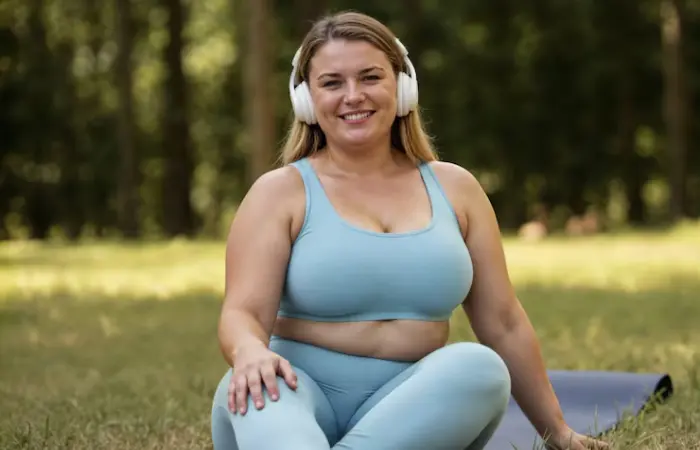
Over time, unmanaged emotional stress may contribute to weight gain, insulin resistance and reduced metabolic flexibility. Physical stress, when balanced with rest, can strengthen metabolic function rather than weaken it.
In Ireland, where work-related stress and irregular schedules are common, recognising these distinctions can help individuals manage weight more effectively.
Practical Steps to Reduce Stress-Related Fat Storage
To reduce the impact of emotional stress and physical stress fat storage, health professionals often recommend:
-
Managing emotional stress through structured routines
-
Prioritising adequate sleep and recovery
-
Balancing physical activity with rest days
-
Reducing stress-driven eating behaviours
-
Maintaining consistent daily schedules
These strategies help regulate stress hormones and support healthier fat metabolism.
Conclusion
Both emotional and physical stress influence body fat, but they do so through different biological pathways. Emotional stress and physical stress fat storage differ primarily in hormonal response, duration and behavioural impact.
For people in Ireland, understanding these differences is essential for preventing stress-related weight gain. Addressing emotional stress while maintaining balanced physical activity can support healthier fat regulation and long-term wellbeing.


