
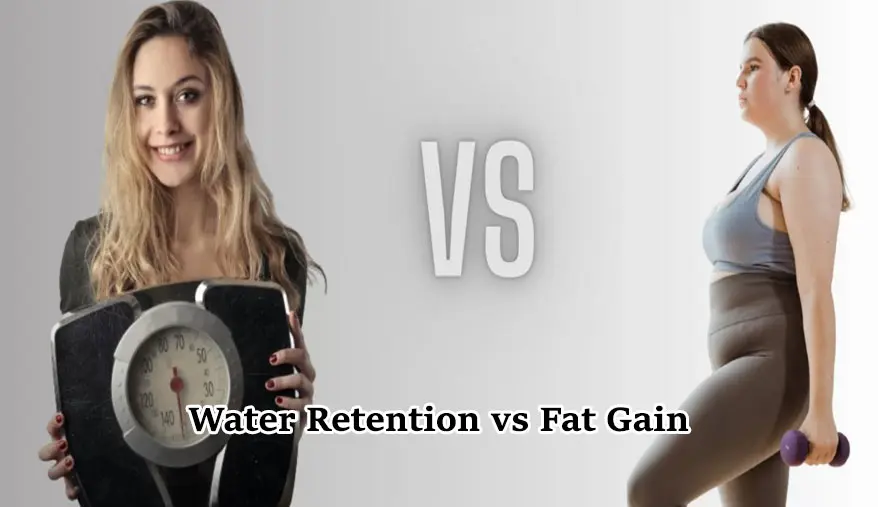
Stepping on the scales and seeing a sudden increase can be alarming. Many people in Ireland assume any weight gain means fat gain, but this is not always true. In fact, short-term weight changes are often caused by fluid shifts in the body rather than actual fat accumulation. Understanding water retention vs fat gain can help you avoid unnecessary stress and make smarter decisions about your health.
Water retention and fat gain feel very different in the body, develop at different speeds, and require different solutions. This article explains how to tell the difference, why each one happens, and what actually helps reduce them in a healthy and sustainable way.
What Is Water Retention?
Water retention, also known as fluid retention, happens when excess fluid builds up in the body’s tissues. It can cause temporary weight gain and physical discomfort without any increase in body fat.
Water retention can appear suddenly and often disappears just as quickly once the underlying cause is addressed.
What Is Fat Gain?
Fat gain occurs when the body stores excess energy over time. Unlike water retention, fat gain develops gradually and does not disappear overnight.
Fat gain reflects a long-term energy surplus and is influenced by metabolism, hormones, lifestyle habits, and consistency.
Understanding water retention vs fat gain starts with recognising how quickly the weight change occurs.
Water Retention vs Fat Gain – The Timeline Difference
The speed of weight change is one of the clearest indicators.
Water Retention
-
Appears within hours or days
-
Can increase by 1–3 kg quickly
-
Often resolves within a few days
Fat Gain
-
Develops over weeks or months
-
Weight increases gradually
-
Does not disappear suddenly
-
Requires long-term changes to reverse
If weight changes happen overnight, it is almost never fat.
Why Sudden Weight Gain Is Usually Water Retention
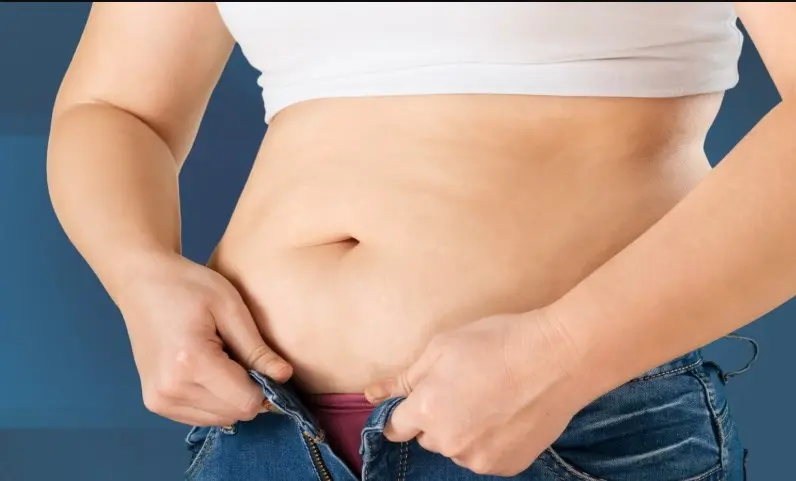
Gaining 1–2 kg of fat would require consuming thousands of excess calories in a very short time. For most people, this is unlikely. Sudden changes are far more often related to fluid balance.
This distinction is crucial when comparing water retention vs fat gain.
Physical Signs of Water Retention
Water retention often comes with noticeable physical sensations.
Common signs include:
-
Puffiness in the face or fingers
-
Tight rings or shoes
-
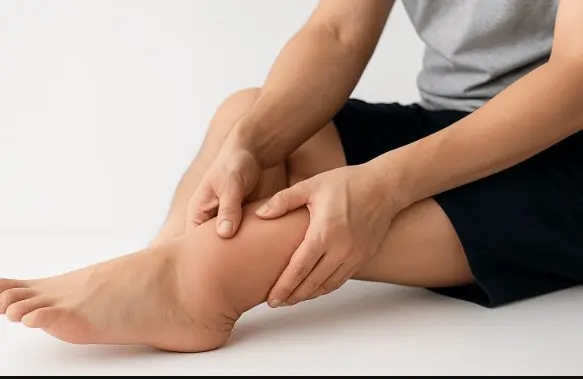
Swollen ankles or feet
-
Bloating in the abdomen
-
Skin feeling tight or stretched
Pressing the skin may leave a temporary indentation, especially around the lower legs.
Physical Signs of Fat Gain
Fat gain feels different in the body.
Common signs include:
-
Clothes fitting tighter over time
-
Increased softness around the waist or hips
-
No visible swelling
-
No rapid daily weight changes
Fat gain changes body shape gradually rather than causing sudden swelling.
Water Retention vs Fat Gain and Hormonal Influence
Hormones play a major role in fluid balance and fat storage.
Hormones and Water Retention
Water retention is often influenced by:
-
Sodium intake
-
Carbohydrate intake
-
Stress hormones
-
Menstrual cycle changes
-
Inflammation
In Ireland, diets high in processed foods and salty meals can easily trigger temporary fluid retention.
Stress and Water Retention
Stress raises cortisol levels, which encourages the body to hold onto water. This is why stressful weeks often come with bloating and scale fluctuations, even when eating habits have not changed.
Hormones and Fat Gain
Fat gain is more closely linked to:
-
Insulin levels
-
Long-term cortisol elevation
-
Reduced muscle mass
-
Slower metabolism
These changes develop over time rather than overnight.
Diet and Its Impact on Water Retention
Certain foods increase short-term water weight.
Common triggers include:
-
High-salt meals
-
Alcohol
-
Refined carbohydrates
-
Highly processed foods
After events such as weekends away, restaurant meals, or celebrations, temporary weight gain is often water rather than fat.
This is a classic example of water retention vs fat gain being misunderstood.
Hydration and Fluid Balance
Ironically, not drinking enough water can cause the body to retain fluid. When dehydrated, the body holds onto water as a protective mechanism.
Proper hydration helps regulate fluid balance and reduce bloating.
Exercise and Water Retention
Exercise can temporarily increase water retention.
Muscle repair after workouts causes localised inflammation, which leads to short-term fluid retention. This is common after strength training or new exercise routines.
This type of weight gain is not fat and usually resolves within a few days.
How to Tell If Your Weight Gain Is Water Retention or Fat Gain
Asking the right questions can provide clarity.
Ask Yourself:
-
Did the weight appear suddenly?
-
Have I eaten more salty or carbohydrate-rich meals recently?
-
Am I more stressed or sleeping poorly?
-
Do I feel bloated or swollen?
If the answer is yes, water retention is far more likely.
Weekly Trends Matter More Than Daily Weigh-Ins
Daily weight fluctuations are normal. Tracking weekly or bi-weekly trends gives a clearer picture of whether weight changes are fluid-related or fat-related.
This approach helps avoid unnecessary dieting in response to temporary water weight.
How to Reduce Water Retention Naturally
Water retention usually resolves on its own, but supportive habits help.
Effective strategies include:
-
Drinking enough water
-
Reducing excess salt
-
Eating potassium-rich foods
-
Managing stress
-
Improving sleep quality
-
Staying lightly active
These habits support natural fluid balance.
How to Address Fat Gain Properly
Fat gain requires a different approach.
Long-term strategies include:
-
Consistent eating patterns
-
Balanced nutrition
-
Strength training
-
Daily movement
-
Stress management
Fat loss is gradual and depends on sustainable habits rather than short-term fixes.
Why Confusing Water Retention With Fat Gain Can Be Harmful
Misinterpreting water weight as fat gain often leads to:
-
Unnecessary calorie restriction
-
Increased stress
-
Poor relationship with the scales
-
Slower long-term progress
Understanding water retention vs fat gain helps protect both physical and mental health.
Final Thoughts
Weight changes do not always tell the full story. Water retention vs fat gain is a distinction many people overlook, leading to frustration and poor decision-making.
Water retention is temporary and often linked to diet, stress, hormones, and hydration. Fat gain develops slowly and reflects long-term habits. Learning to recognise the difference allows adults in Ireland to respond calmly, stay consistent, and focus on what truly matters for long-term health.


