
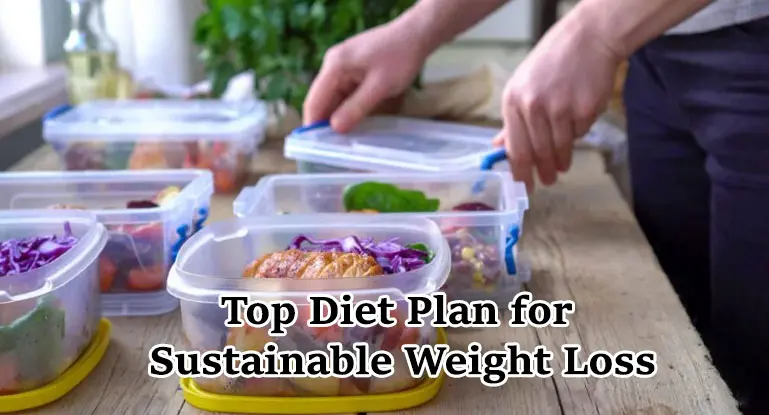
Most diet plans promise quick results, dramatic transformations, and rapid fat loss. Yet, for many people, the weight returns within months — sometimes with extra kilos. This is where the concept of sustainable weight loss becomes important. Sustainable weight loss is not about starving, cutting entire food groups, or following extreme rules. It is about creating a way of eating that you can maintain for years, not weeks.
The top diet plan for sustainable weight loss focuses on balance, consistency, metabolic health, and lifestyle habits. This guide explains exactly how such a diet works, why it is different from crash diets, and how you can follow it step by step without harming your health.
What Does Sustainable Weight Loss Really Mean?
Sustainable weight loss means losing fat gradually while maintaining muscle mass, energy levels, and mental well-being. It prioritises long-term health over short-term results.
Unlike fad diets, a sustainable plan:
-
Allows flexibility
-
Supports metabolism
-
Reduces the risk of weight regain
-
Fits into daily life
The goal is not perfection, but consistency.
Why Most Diet Plans Fail
Before understanding the best approach, it is important to know why common diet plans fail.
Extreme Calorie Restriction
Very low-calorie diets slow down metabolism and increase stress hormones. The body adapts by burning fewer calories, making fat loss harder over time.
Cutting Entire Food Groups
Eliminating carbohydrates or fats completely can lead to nutrient deficiencies, cravings, and binge eating.
Short-Term Thinking
Many people diet with an end date in mind. Once the diet ends, old habits return — and so does the weight.
The top diet plan for sustainable weight loss avoids all of these mistakes.
Core Principles of the Top Diet Plan for Sustainable Weight Loss
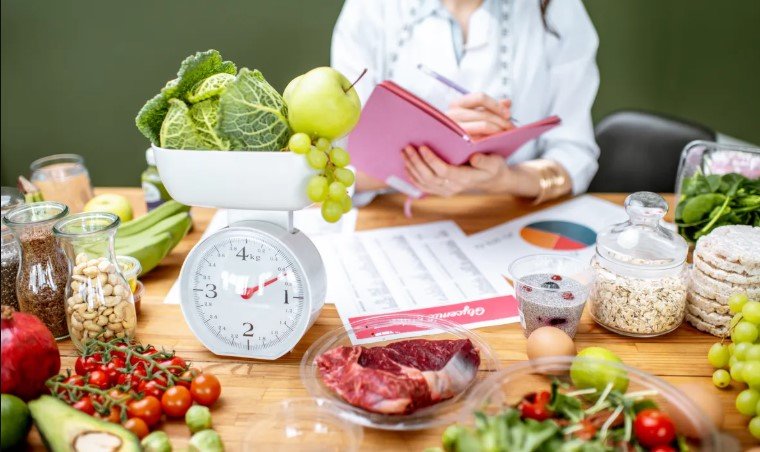
This diet plan is not based on trends. It is built on principles that work with the body, not against it.
1. Calorie Awareness, Not Obsession
You do not need to count every calorie, but you do need awareness. Sustainable weight loss happens when you consistently eat slightly fewer calories than your body needs — without extreme restriction.
Portion control, mindful eating, and balanced meals naturally create a calorie deficit.
2. Balanced Macronutrients Matter
A sustainable diet includes all three macronutrients.
Protein
Protein supports muscle mass, keeps you full, and stabilises blood sugar. It is essential for fat loss and long-term weight maintenance.
Carbohydrates
Carbohydrates are not the enemy. Whole-food carbs provide energy, fibre, and nutrients. The key is choosing the right sources and controlling portions.
Healthy Fats
Fats support hormone health and improve satiety. Eliminating fats completely can negatively affect metabolism.
3. Focus on Food Quality Over Food Labels
Instead of following strict labels like “low-carb” or “low-fat”, the top diet plan for sustainable weight loss prioritises food quality.
Choose:
-
Whole foods
-
Minimally processed ingredients
-
High-fibre options
Limit:
-
Ultra-processed foods
-
Sugary snacks
-
Liquid calories
Building the Ideal Sustainable Weight Loss Plate
A simple plate method works better than complicated rules.
The Ideal Plate Structure
-
½ plate: vegetables or salad
-
¼ plate: lean protein
-
¼ plate: whole carbohydrates
-
Small portion: healthy fats
This structure automatically controls calories while keeping meals satisfying.
Meal Timing and Sustainable Weight Loss
Meal timing is not about strict schedules. It is about consistency.
Eat Regular Meals
Skipping meals often leads to overeating later. Regular meals stabilise blood sugar and reduce cravings.
Avoid Late-Night Overeating
Late-night eating is often driven by stress or habit, not hunger. Creating an evening routine helps prevent unnecessary snacking.
Hydration and Its Role in Fat Loss
Dehydration is often mistaken for hunger. Drinking enough water supports digestion, energy levels, and appetite control.
Simple habits like drinking water before meals can naturally reduce overeating.
Sustainable Weight Loss Is Not Just About Diet
A diet plan works best when combined with supportive lifestyle habits.
Strength Training and Muscle Preservation
Muscle mass protects metabolism. Even basic strength training two to three times a week improves fat loss results.
Daily Movement Over Extreme Workouts
Walking, standing more, and staying active throughout the day matter more than intense workouts done occasionally.
Sleep and Stress: The Hidden Factors
Poor sleep and chronic stress raise cortisol levels, which promote fat storage and increase cravings.
Improving sleep quality and managing stress can dramatically improve weight loss outcomes — even without changing food intake.
Common Mistakes to Avoid
Many people sabotage sustainable weight loss without realising it.
-
Eating too little for long periods
-
Expecting rapid results
-
Being overly strict
-
Ignoring hunger cues
-
Treating diet as punishment
The top diet plan for sustainable weight loss is flexible, not rigid.
How Fast Should You Lose Weight?
Healthy, sustainable fat loss happens slowly. A realistic target is 0.5 to 1 kg per week, depending on body size and starting point.
Faster weight loss often leads to muscle loss and rebound weight gain.
Sample Day of Sustainable Eating (Example)
This is just an example, not a rulebook.
-
Breakfast: Protein-rich meal with fibre
-
Lunch: Balanced plate with vegetables and whole carbs
-
Snack: Fruit or yoghurt
-
Dinner: Light, protein-focused meal
-
Optional treat: Small portion, guilt-free
Flexibility is key.
Long-Term Success Comes From Consistency
The real power of the top diet plan for sustainable weight loss lies in consistency. You do not need to be perfect every day. You need to be consistent most days.
Small habits repeated daily lead to lasting results.
Final Thoughts
There is no magic diet for lifelong fat loss — but there is a smart approach. The top diet plan for sustainable weight loss focuses on balance, food quality, lifestyle habits, and patience. It allows you to enjoy food, maintain energy, and protect your health while steadily reducing body fat.
When weight loss becomes part of your lifestyle instead of a temporary phase, results last naturally.


